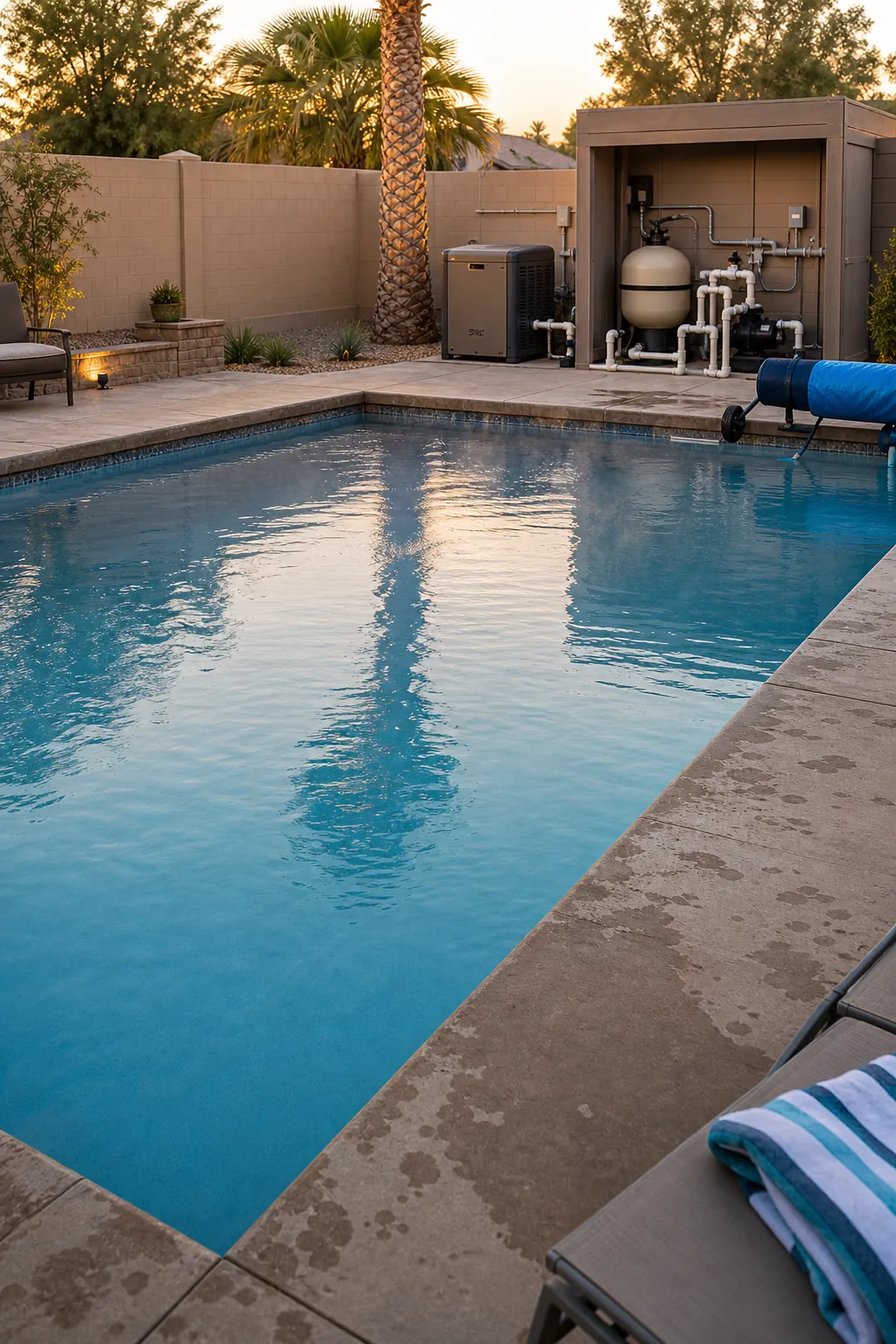
Your pool heater is probably not slow in the way your shower, dishwasher, or spa feels slow. A pool is a giant outdoor heat sink. When owners say a pool heater “takes forever,” the real question is usually more specific: is the heater failing, or did I underestimate how much water I am trying to warm?
The short answer: many pools warm only about 1°F to 3°F per hour with a gas heater, and often about 0.5°F to 1.5°F per hour with a heat pump in good weather. Big pools, uncovered water, wind, cool nights, and low pump flow can drag that down fast. A 10°F jump can be an afternoon, an overnight run, or a full weekend depending on gallons, heater output, and heat loss.
First, Stop Guessing And Run The Math
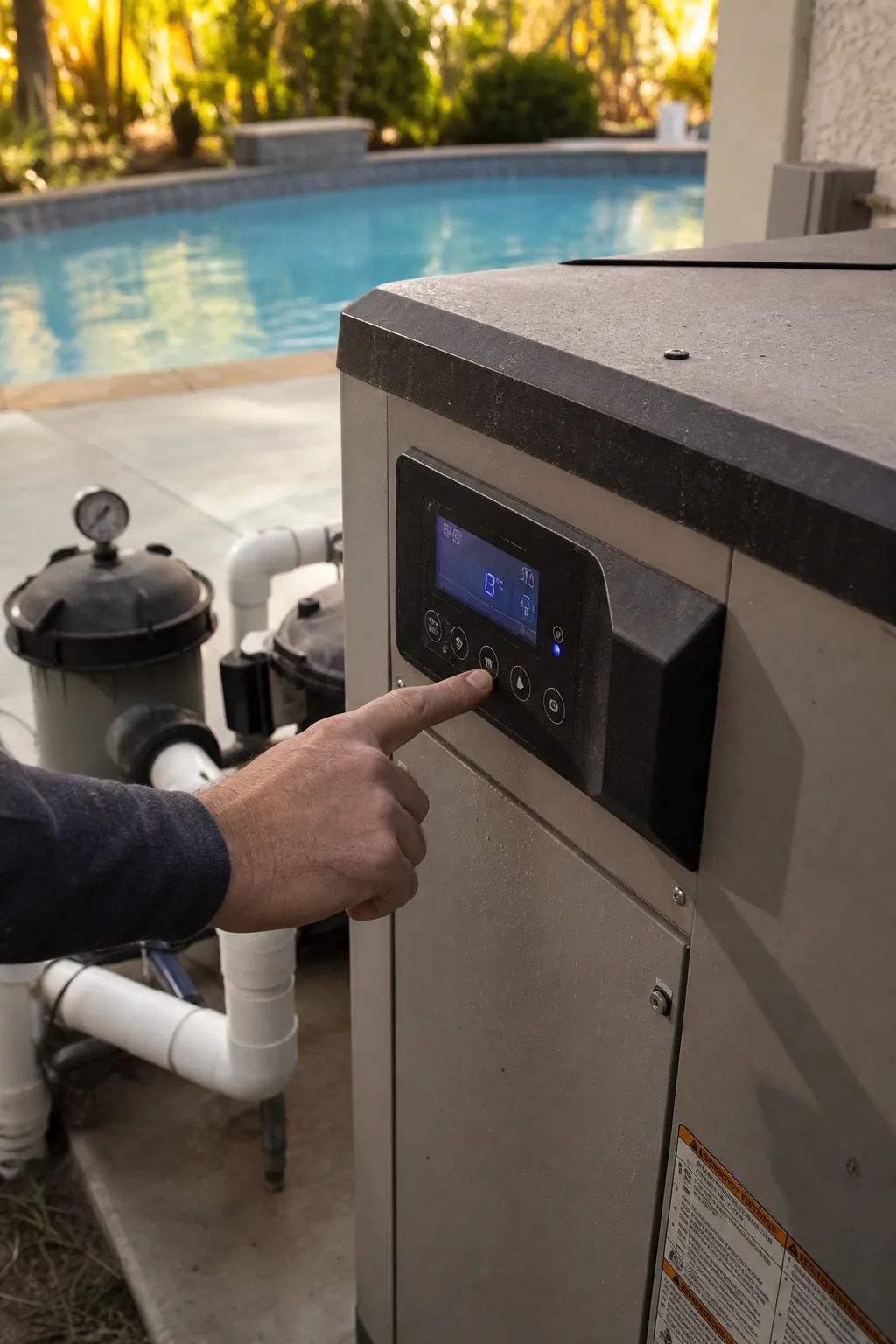
Water is heavy. One gallon weighs about 8.34 pounds, and each pound needs 1 BTU to rise 1°F. That is why a heater that feels powerful on a spa can seem ordinary on a pool. A 20,000-gallon pool needs about 166,800 BTUs just to gain 1°F before outdoor heat loss is counted.
Pool gallons x 8.34 x desired temperature rise = total BTUs needed
Total BTUs needed / delivered heater BTUs per hour = estimated hours
Use delivered BTUs, not just the large number printed on the cabinet. A 400,000 BTU gas heater at 82% efficiency delivers roughly 328,000 BTU/hr to the water. A heat pump may be labeled 125,000 BTU/hr, but that rating depends on test conditions; output usually drops when the air is colder and drier.
Realistic Warm-Up Times By Pool Size
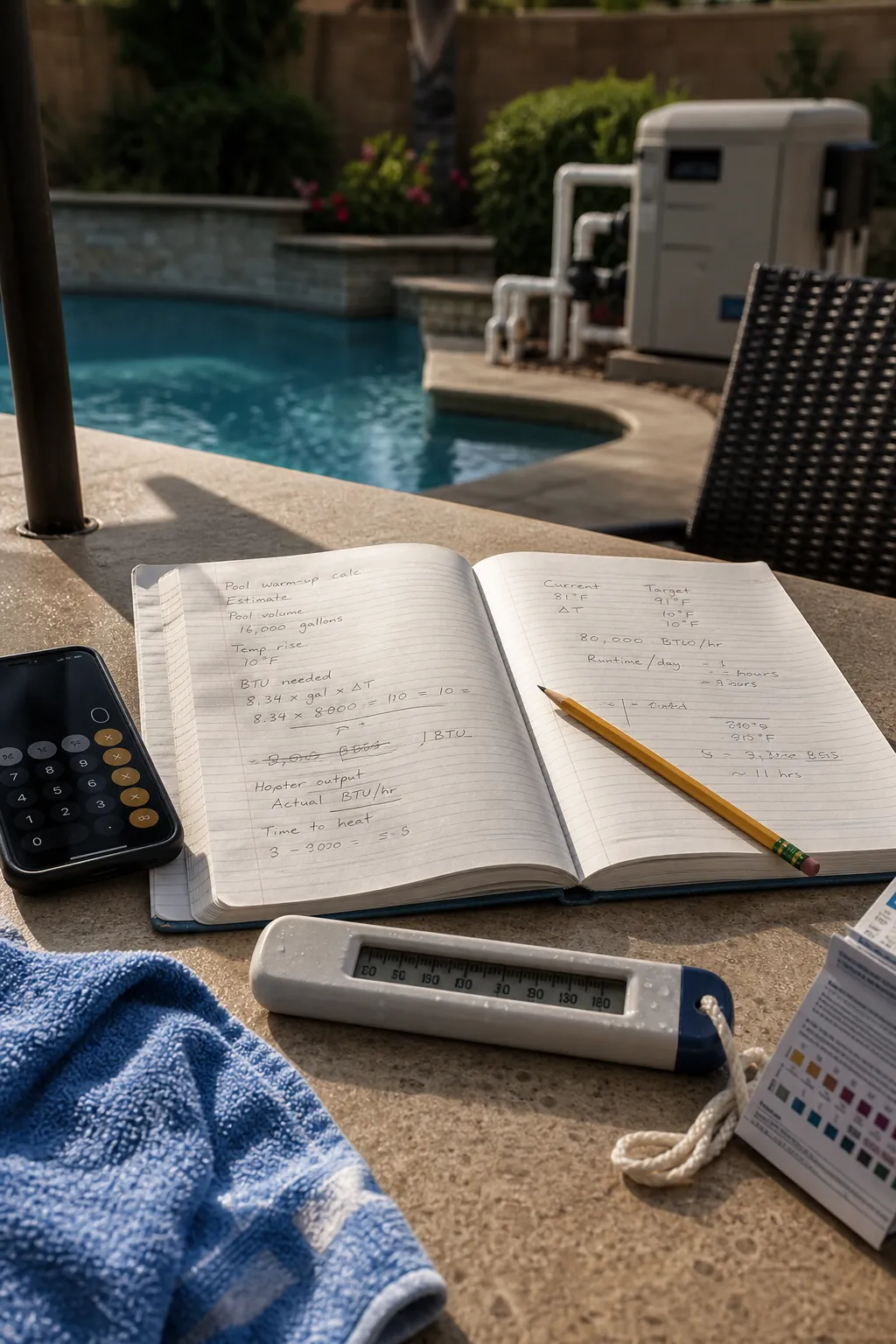
These are planning ranges, not promises. They assume the heater runs continuously with the pump, the system is flowing correctly, and the pool is not losing heat faster than usual. If the water is uncovered on a windy, cool night, add time.
| Pool and heater setup | No-loss gain estimate | Practical expectation |
|---|---|---|
| 12,000-15,000 gal with 400K gas heater | About 2-3°F per hour | A 5-10°F rise can be same-day if covered and not windy. |
| 20,000-25,000 gal with 400K gas heater | About 1.5-2°F per hour | A 10°F rise often means 6-12 hours, sometimes longer. |
| 30,000 gal with 250K-266K gas heater | Often under 1°F per hour | Plan on overnight or more for a noticeable change. |
| 12,000-20,000 gal with 100K-140K heat pump | About 0.5-1.5°F per hour in warm air | Best for holding temperature; large jumps can take 12-48 hours. |
| Solar heating | Depends on sun, panels, and flow | Excellent for season extension, poor for fast on-demand recovery. |
That table explains a lot of “forever” complaints. A 400K heater on a 12,000-gallon pool can feel quick. The same heater on a 30,000-gallon pool is doing a completely different job. Heater size is only impressive when compared with the gallons and the temperature rise you want.
The Pool Cover Is Not Optional If You Want Speed
The U.S. Department of Energy points to evaporation as a major pool heat loss pathway, and that is the piece most owners underestimate. If warm water is exposed to dry air, wind, or a cold night, your heater is not only warming the pool; it is also replacing heat that is leaving the surface.
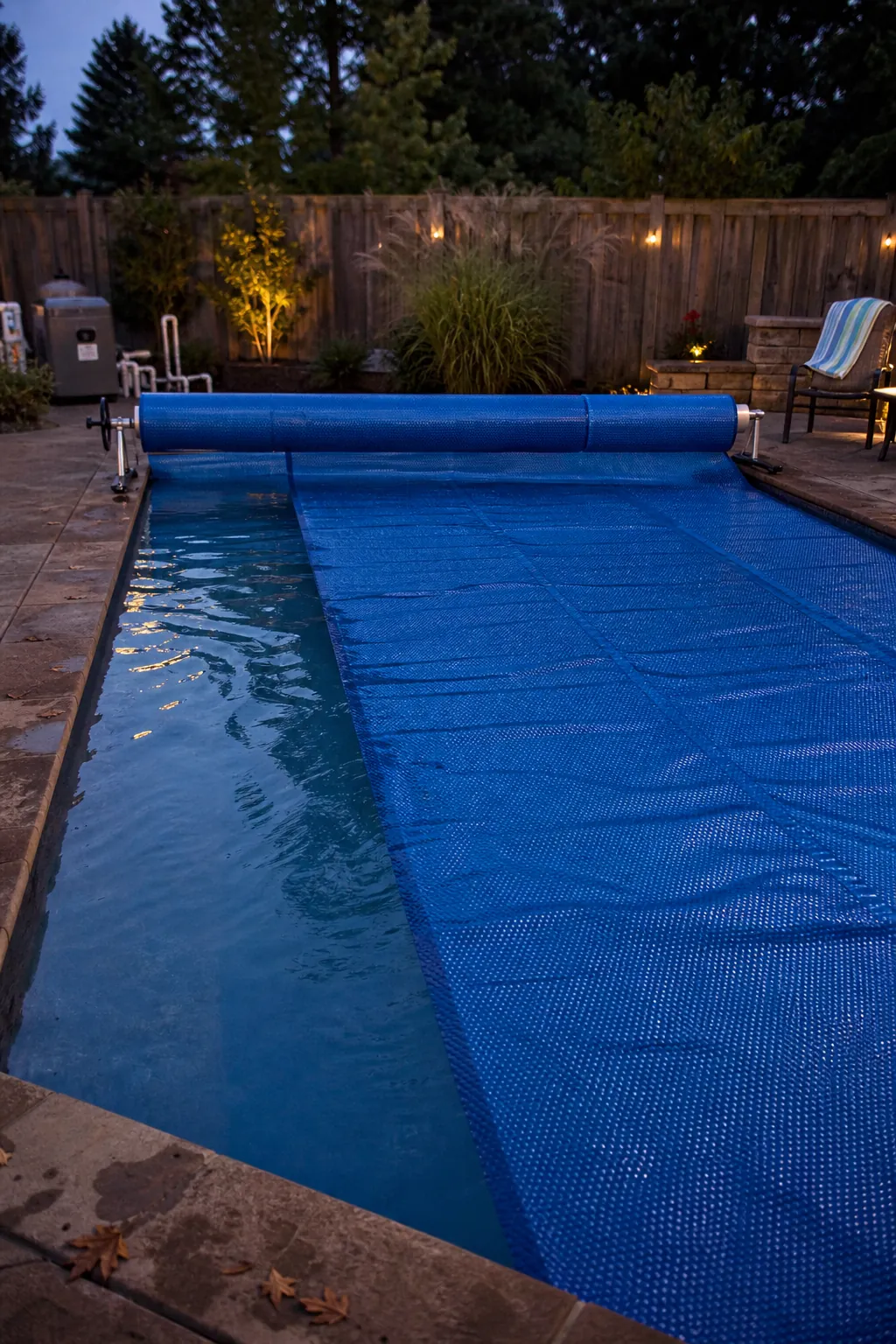
A cover does two jobs at once: it keeps heat in while the heater is running, and it protects the gain after the heater shuts off. Without one, you can spend all afternoon adding 4°F and then give half of it back overnight. This is why pool owners often report better results from “heater plus cover” than from a larger heater alone.
Gas Heater Versus Heat Pump: Slow Means Different Things
Gas heaters are the better fit for fast, occasional heating. The Department of Energy describes them as suited for quickly heating pools used periodically, and their output is less dependent on the weather than a heat pump. They cost more to run, but they can make sense when you heat before a weekend swim instead of holding the pool warm every day.
Heat pumps are different. They move heat from outdoor air into the water, so they shine when the air is warm and the goal is steady temperature maintenance. If the air is cool, the heat pump may be working normally and still feel painfully slow. In spring and fall, a heat pump may need to run long stretches with the cover on to make visible progress.
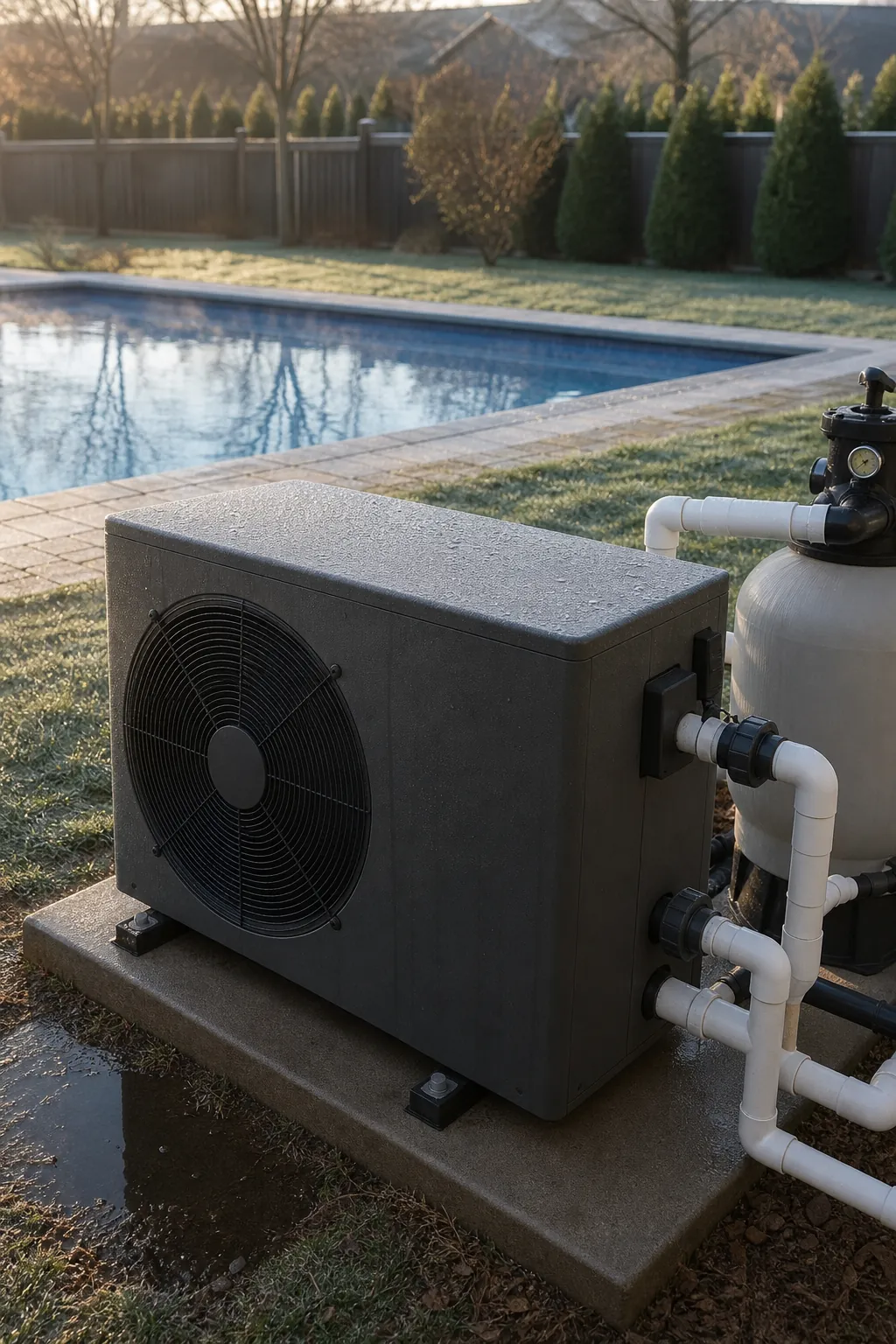
When Slow Heating Is Normal
- You are asking for a big rise. Going from 68°F to 84°F is not a quick top-off. It is a full recovery job.
- The pool is large. Every extra 5,000 gallons adds about 41,700 BTUs for each 1°F of rise.
- The water is uncovered. Wind and evaporation can steal heat while the heater is adding it.
- The pump shuts off too soon. The heater cannot warm water that is not circulating through it.
- The heat pump is running in cool air. Output drops when outdoor conditions are poor.
- The spa spillover, waterfall, or deck jets are running. Moving warm water through air usually increases heat loss.
If those conditions describe your pool, the fix is usually planning rather than repair: start earlier, cover the pool, run the pump through the full heating window, and lower the target temperature if the weather will not support it.
When “Forever” Might Mean A Real Problem
Slow does not automatically mean broken, but some symptoms deserve attention. The most useful distinction is whether the heater is adding heat slowly or failing to transfer heat at all.
- Error codes or service lights: codes related to pressure, flow, ignition, high limit, or sensors should be handled by the manual and, when needed, a qualified technician.
- Short cycling: the heater fires, runs briefly, shuts down, and repeats. Low flow, blocked filters, bypass issues, sensors, or gas supply problems can cause this.
- Outlet pipe feels extremely hot: manufacturer guidance commonly treats this as a possible low-flow warning. Turn the unit off and investigate safely.
- No noticeable warmth at the return: after the heater has run for a while, the return water should be slightly warmer than the pool water, even if the whole pool has not moved yet.
- Soot, gas smell, flame rollout, or scorch marks: stop using the heater and call a qualified pro. Do not troubleshoot combustion by trial and error.
- Heat pump coil blocked or iced: clear airflow and follow the manufacturer’s operating limits instead of forcing it to run outside its range.
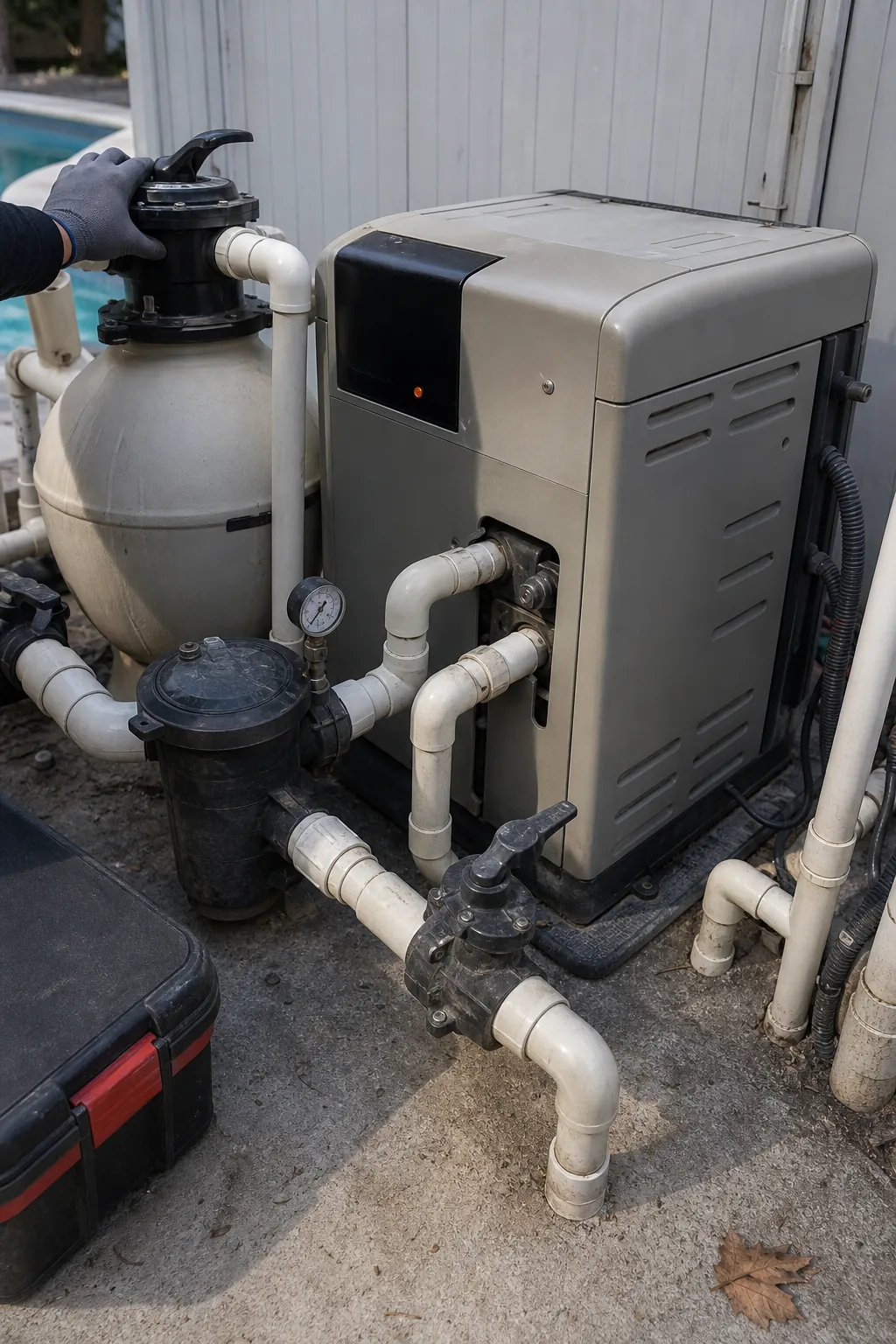
Do This Simple Warm-Up Test
Before you decide the heater is undersized or broken, give it one clean test. Pick a period without swimming, water features, or backwashing. Clean the skimmer and pump basket, make sure the filter is not overdue for service, open the correct valves, and run the pump at the heater’s required speed.
- Record the starting pool temperature with a separate thermometer, not only the automation screen.
- Set the heater 5°F to 10°F above the current water temperature.
- Run the pump and heater continuously for two hours.
- Keep the cover on if you have one.
- Record the ending temperature at the same spot and depth.
If the pool gains close to the math-based estimate, the heater is probably doing its job. If the heater runs for two hours and the water does not move at all, start checking flow, valves, sensor accuracy, fuel supply, error history, and maintenance. For gas combustion, electrical work, pressure switches, internal bypass parts, and heat exchangers, bring in a qualified pool heater technician.
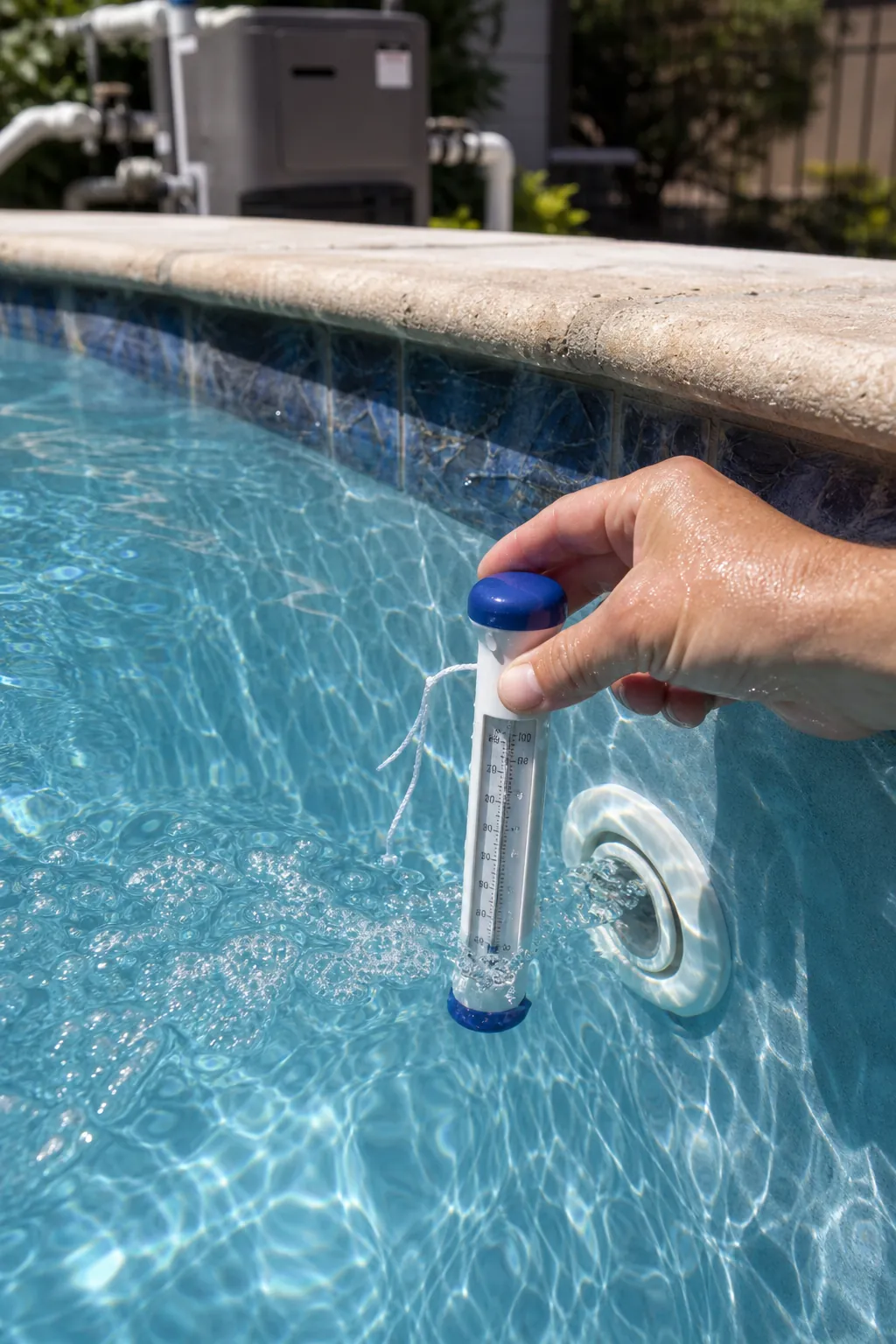
How To Make The Pool Warm Faster
The fastest improvement is usually not a new heater. It is reducing losses and running the system correctly. Cover the pool before and during heating, start the heater earlier than you think, and keep circulation running until the target temperature is reached.
For a gas heater, heating on demand can work well: start the night before or early morning, use the cover, and turn water features off. For a heat pump, treat it more like climate control: let it maintain a reasonable set point through swim season instead of asking it for a huge last-minute jump.
Also check the basics owners skip: confirm the pool volume, verify the heater’s actual BTU output, compare the heater sensor with a floating thermometer, and make sure automation is not switching from pool mode to spa mode, spillover mode, or a low pump speed that starves the heater.
The Bottom Line
If your pool heater takes forever, the first answer is math: gallons x temperature rise x heat loss. A few degrees in a medium pool can be normal in a handful of hours. A 15°F spring recovery in a large, uncovered pool can take much longer, even with a strong heater.
The practical rule: if the heater is gaining roughly 1°F to 3°F per hour for gas, or about 0.5°F to 1.5°F per hour for a heat pump in warm air, it may be working normally. If it short-cycles, throws codes, has poor flow, smells like gas, shows soot, or adds no measurable heat after a controlled test, stop guessing and service the system.
Research Notes
This guide uses heater sizing principles from the U.S. Department of Energy gas pool heater guide, the DOE heat pump pool heater guide, the DOE pool cover guidance, CPO-style BTU math from The Pool Class heater sizing tutorial, and common manufacturer maintenance cautions such as those found in Pentair MasterTemp manuals.