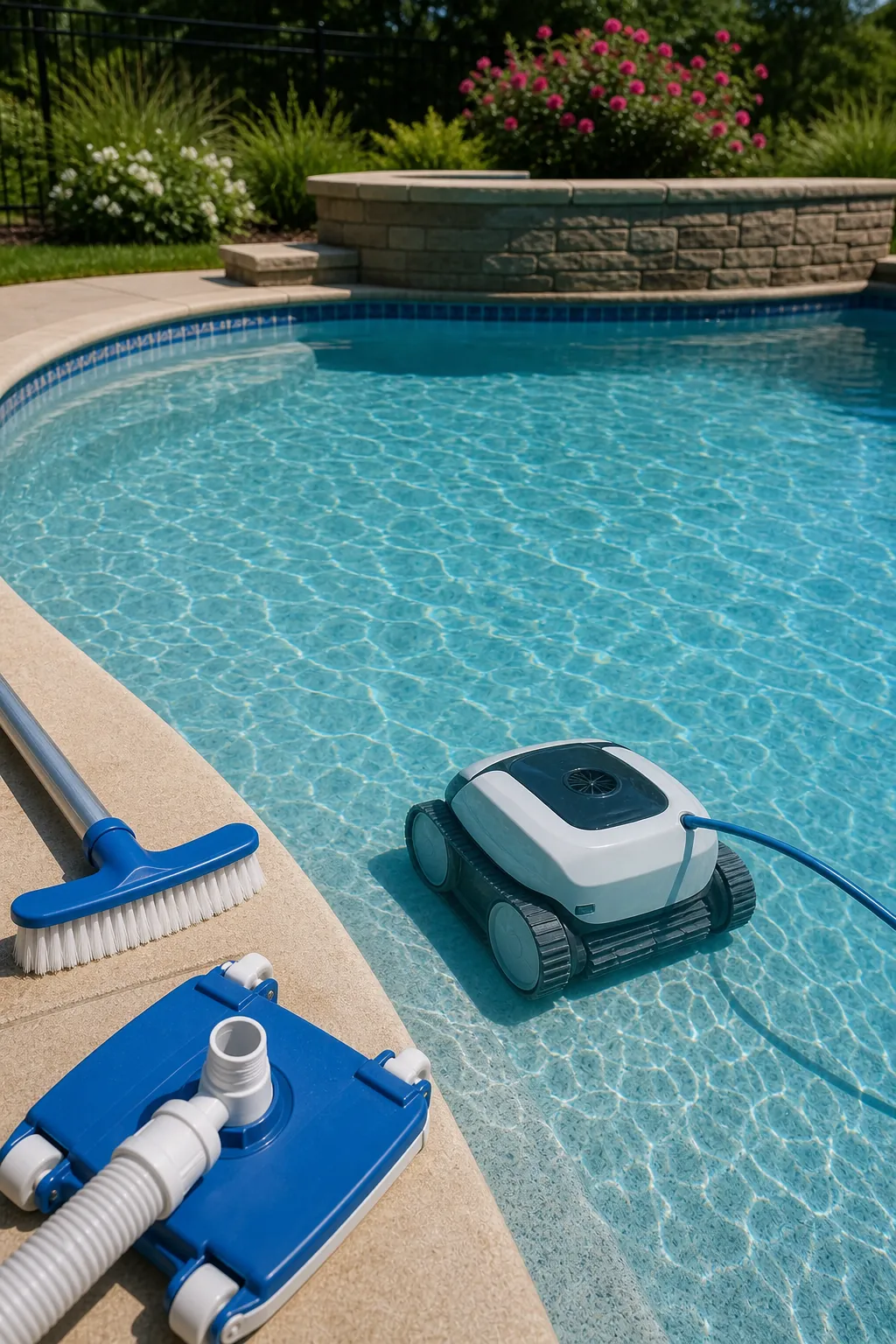
A robotic pool cleaner can save a lot of time, but only if it replaces work you were actually doing by hand. It is not a magic pool employee. You still have to test water, skim the surface, empty baskets, rinse the robot filter, brush awkward corners, and deal with leaves before they become a wet pile on the floor.
The honest answer is this: pool robots are worth it for owners who regularly vacuum the pool, fight fine dust, hate dragging hoses across the deck, or want the floor and walls cleaned while they do something else. They are less impressive for tiny pools, pools that mostly collect floating leaves, pools with lots of ledges and steps, or owners who expect zero maintenance after spending the money.
Most disappointment comes from buying the robot as a promise instead of a tool. A robot saves time when the pool shape, debris type, owner expectations, and cleaner features line up. When they do not, you still own the manual brush, skimmer net, and vacuum head.
The Short Answer
Pool robots usually save time on floor cleaning, routine vacuuming, and fine debris pickup. A typical manual vacuum job can take 30 to 60 minutes when you include setup, slow vacuuming, hose handling, and cleanup. A robot shifts much of that into a few minutes of setup, a cleaning cycle you do not have to supervise, and a few minutes to remove and rinse the basket.
They are worth it when you would otherwise vacuum weekly, when your pool collects dirt and grit on the floor, when your filter system struggles with fine debris, or when you simply avoid cleaning because the manual process is annoying. They are not worth it if your main problem is floating leaves, a green pool, heavy storm debris, a very small pool, or a pool shape the cleaner cannot navigate well.
What Time a Robot Actually Saves
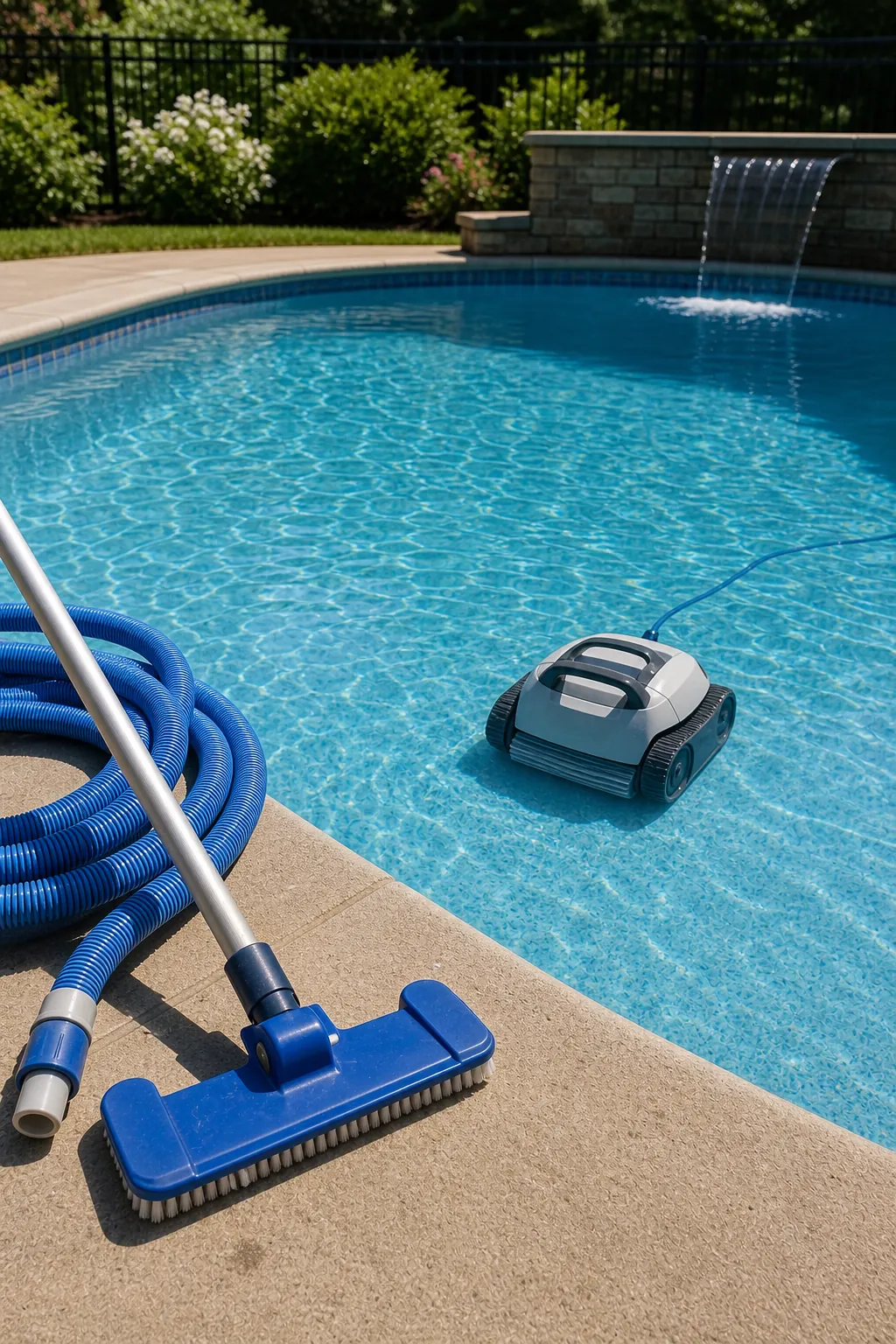
The biggest time savings come from not manually vacuuming the floor. With a manual vacuum, you usually have to assemble the pole and head, fill the hose with water, connect it to the skimmer or vacuum port, move slowly enough not to stir debris, watch suction, clean baskets, and sometimes backwash or clean the filter afterward. It is not just the vacuum pass. It is the whole ritual.
A robot changes the job. You place it in the water, start the cycle, let it scrub and collect debris in its own basket, then pull it out and rinse the filter. That can turn an hour of active work into a few minutes of active work, plus the time the machine runs by itself. If you have been putting off vacuuming because the setup is irritating, that alone can make the pool cleaner.
| Task | Manual cleaning | Robot cleaning |
|---|---|---|
| Floor dirt and grit | Slow vacuum pass while you steer | Cleaner runs while you are free |
| Wall brushing | Manual brushing required | Some models scrub walls and waterline |
| Filter cleanup | Pool filter takes the debris | Robot basket must be rinsed |
| Surface leaves | Skimmer net or pool skimmer | Most robots do little until leaves sink |
| Green pool cleanup | Brush, vacuum, filter, chemistry | Not the first tool for live algae |
A Robot Does Not Replace Pool Care
A robot is a cleaner, not a water-care system. It does not keep chlorine in range. It does not correct pH. It does not solve cloudy water by itself. It does not empty the skimmer, clean the pump basket, or backwash the filter. It also does not prevent algae if circulation and sanitizer are wrong.
That matters because some owners buy a robot right after the pool turns green and expect it to rescue everything. A robot can help remove dead algae and settled debris after the chemistry is under control, but it should not be the first answer to a swampy pool. Live algae needs sanitation, brushing, circulation, and filtration. The robot can support that process, but it is not the process.
When a Pool Robot Is Worth It
A robot starts making sense when it removes a chore you regularly hate. If you are manually vacuuming every weekend, the value is obvious. If you already have a clean pool, a weekly service, and almost no floor debris, the value is mostly convenience and polish.
- You vacuum by hand more than once or twice a month.
- Fine dust, pollen, sand, or dead algae settles on the floor.
- The pool is large enough that manual vacuuming feels like a chore.
- You want cleaning to happen while the main pump is off or running low.
- You have a simple pool shape with reachable floor, slopes, and walls.
- You can lift the cleaner out, rinse the basket, and store it properly.
- You are buying for saved labor, not because you expect a perfect pool with no other work.
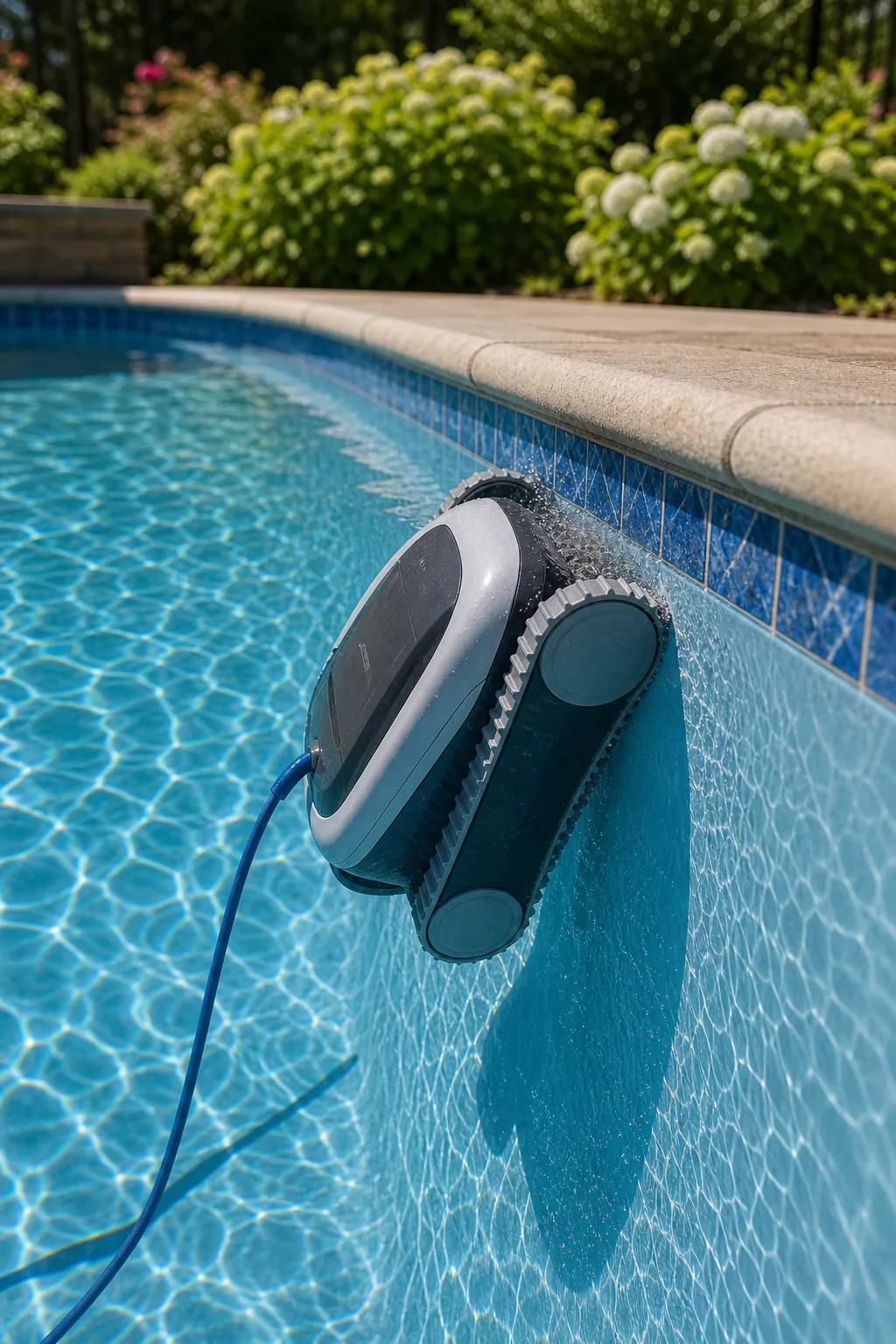
Wall and waterline cleaning is where better robots separate themselves from basic floor cleaners. A robot that climbs, scrubs, and stays planted at the waterline can reduce brushing time. It still may not handle every corner, ladder, step, or tanning ledge, but it can keep the main surfaces from getting neglected.
When a Pool Robot Is Not Worth It
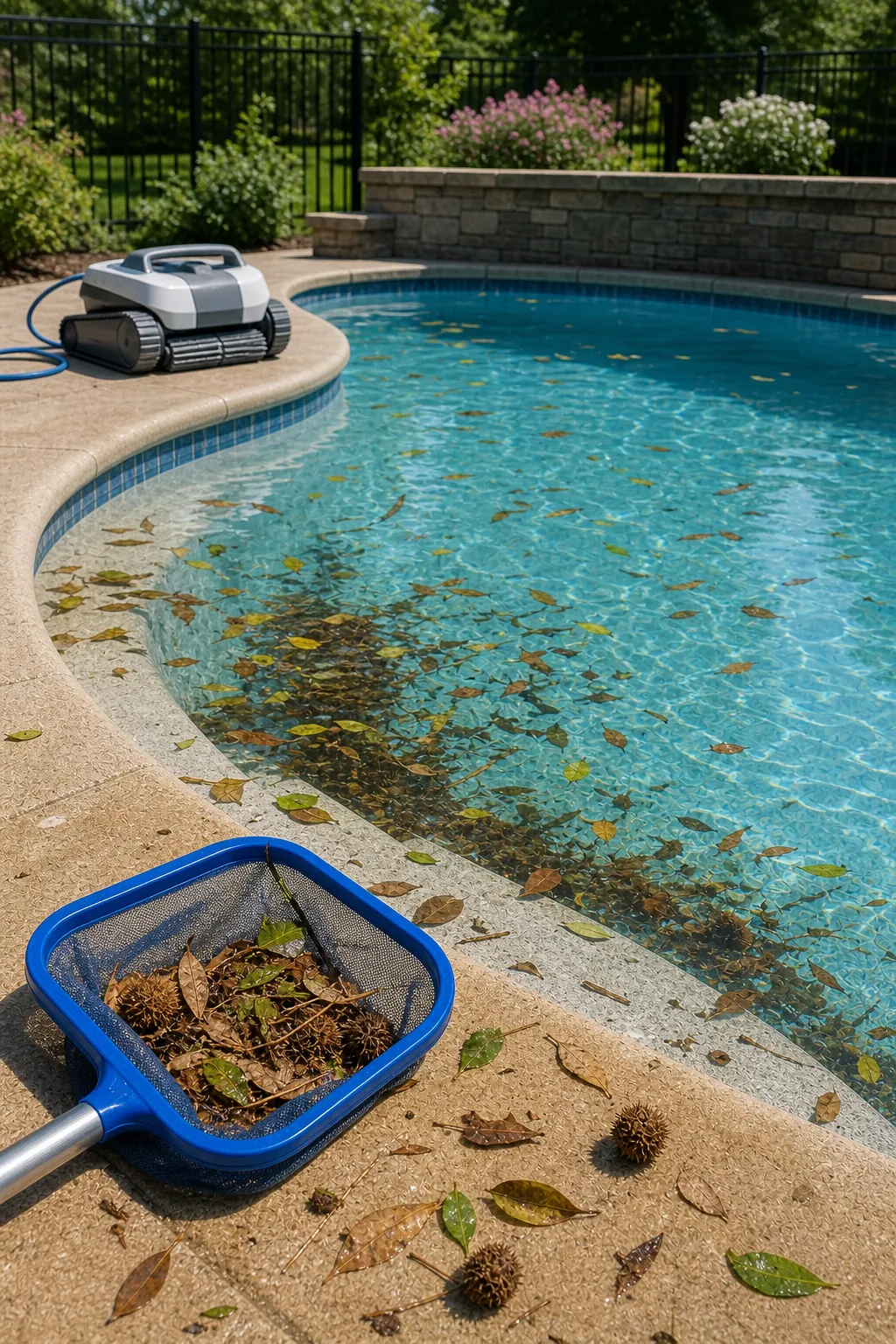
A pool robot is a weak buy when the problem is not really floor cleaning. If your pool mostly collects leaves on the surface, a skimmer net, skimmer basket, leaf canister, or pressure-side leaf cleaner may matter more. If storms dump branches and acorns into the pool, you still need to net the heavy stuff before sending a robot to chew through it.
Robots are also less convincing for very small pools, simple above-ground pools that can be vacuumed quickly, or owners who already pay for weekly service and do not want another machine to rinse, store, and repair. If you will resent pulling the cleaner out and cleaning the basket, the robot may just move the annoyance to a different step.
The Maintenance People Forget About
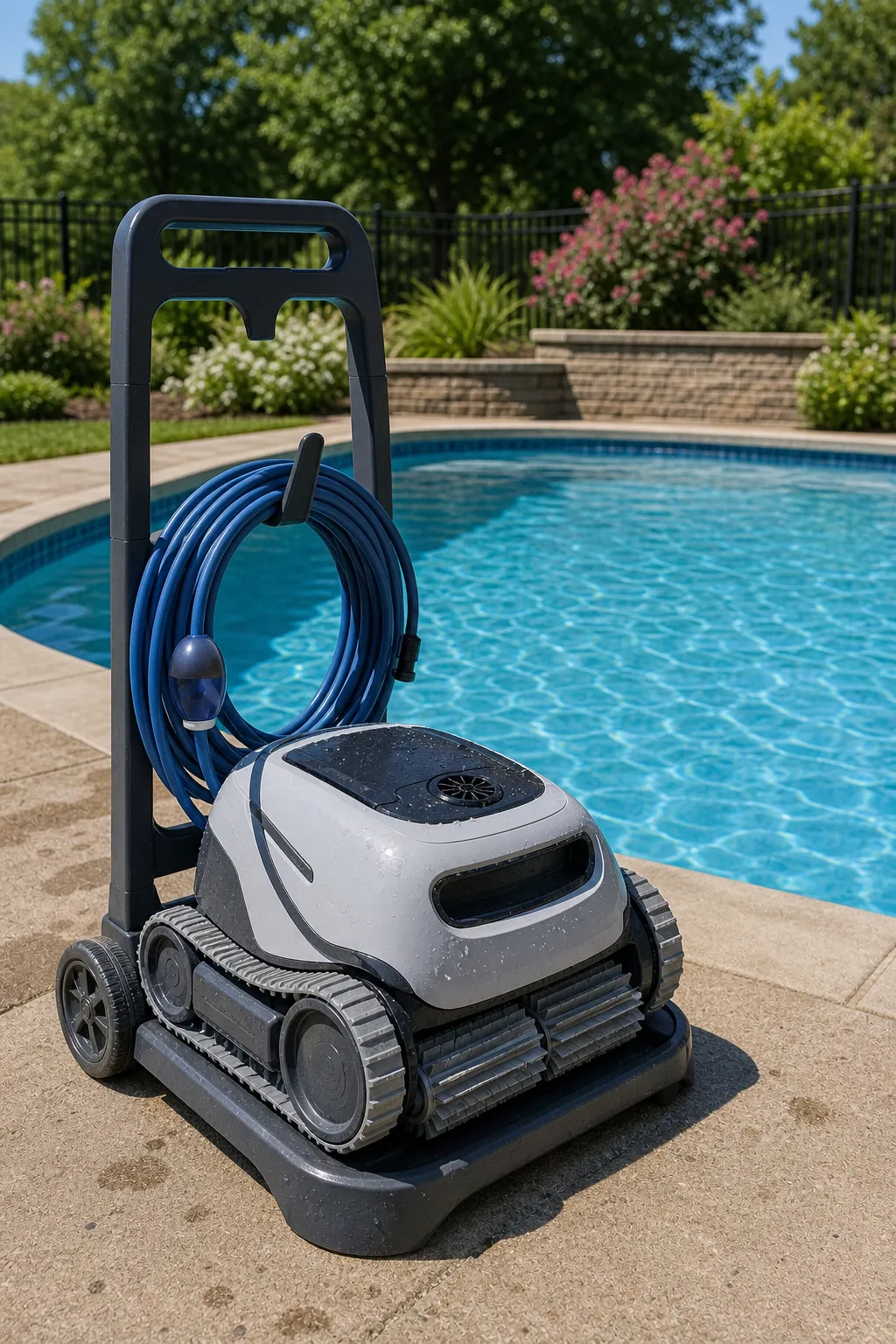
The robot saves active cleaning time, but it adds its own routine. You have to remove it from the pool, open the cleaner, rinse the basket or panels, clear hair or twigs from rollers, let parts dry, manage the cable, and store the power supply where water and weather will not damage it.
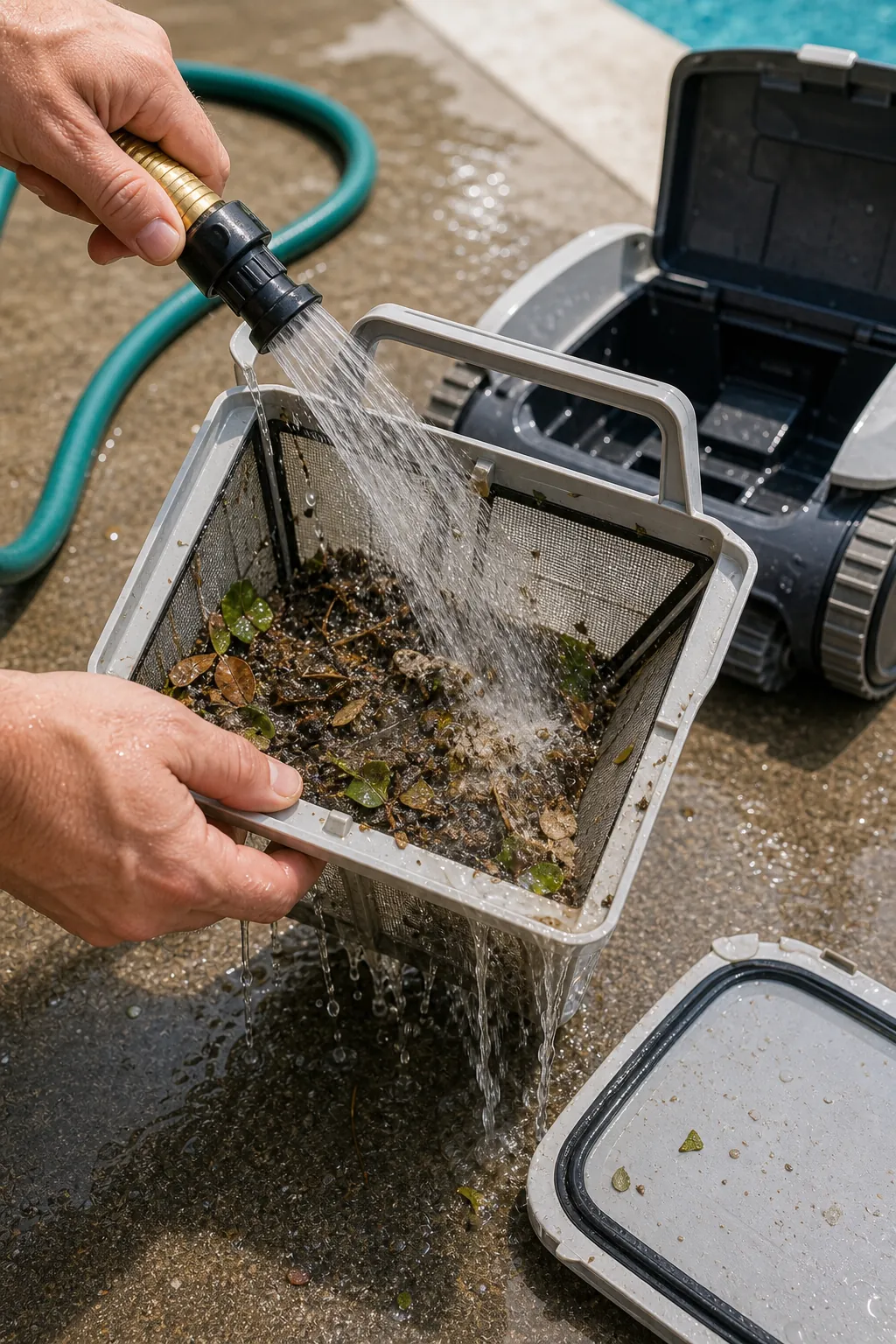
That routine is usually easier than manual vacuuming, but it is not nothing. If the filter basket is small and your pool gets a lot of leaves, you may have to empty it mid-cycle. If the robot uses fine filters, they can clog with dead algae or dust. If you leave the cleaner in the pool all season, sunlight, chemicals, and constant soaking can shorten the life of plastic, tracks, rollers, and cable.
Corded, Cordless, and the Setup Tradeoff
Corded robots usually run longer and avoid battery aging, but the cord can twist, float into the swimming area, or require careful layout. Cordless robots remove the cable nuisance, but they add charging, battery life, and retrieval questions. Neither style is automatically better. The better choice is the one you will actually use every week.
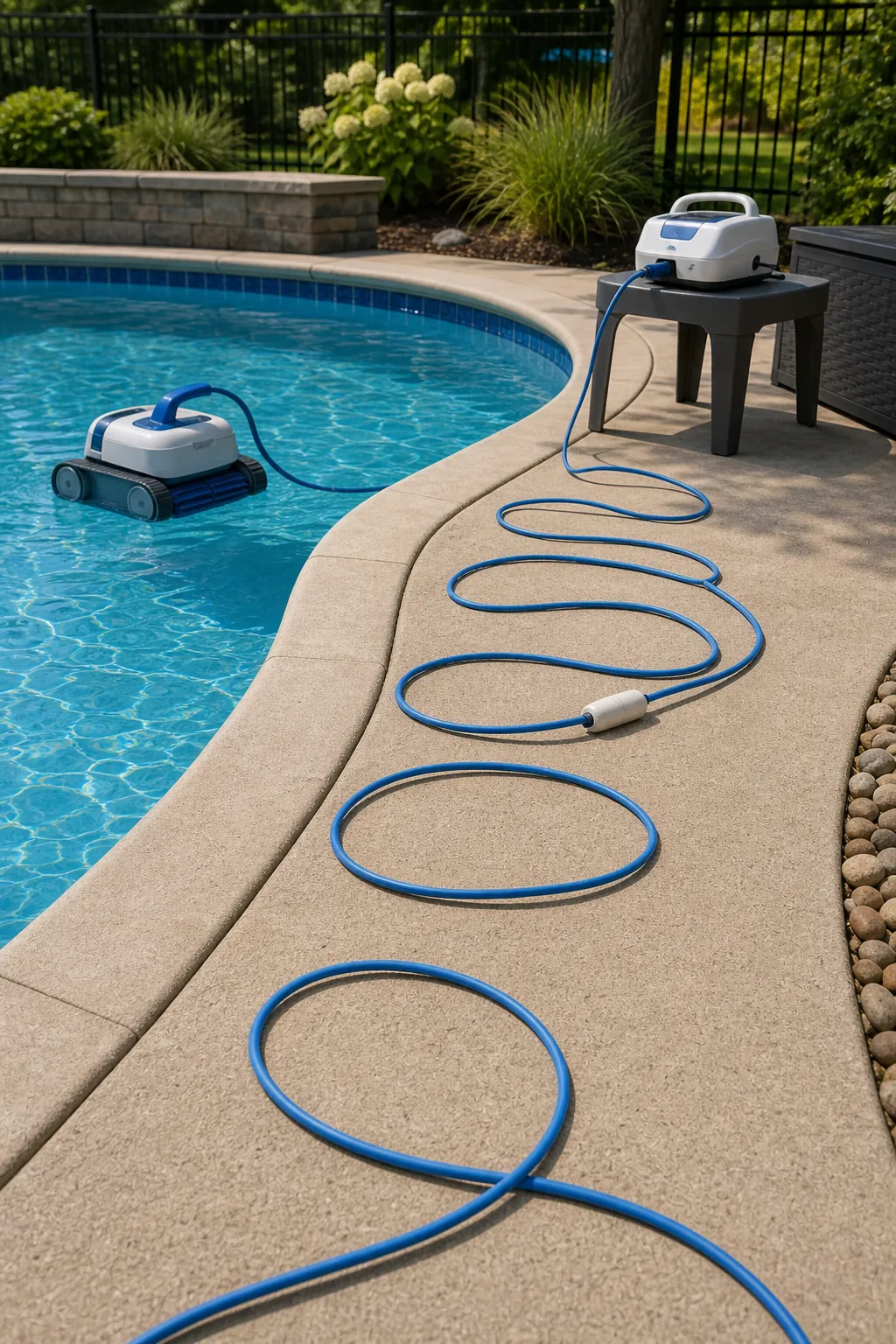
Whatever you buy, pay attention to safe setup. Use a properly protected outdoor outlet, keep the power supply away from the pool edge, follow the manufacturer’s instructions, and never swim with the cleaner running unless the manual specifically allows it. A robot should reduce chores, not create a risky electrical habit.
Pool Shape Matters More Than Marketing
Robots are best on surfaces they can reach consistently. Flat floors, gentle slopes, standard deep ends, and broad walls are friendly. Steps, benches, beach entries, sharp corners, raised drains, ladders, wrinkles in vinyl, and complex curves can create missed spots. A robot may climb beautifully in one pool and get confused in another.
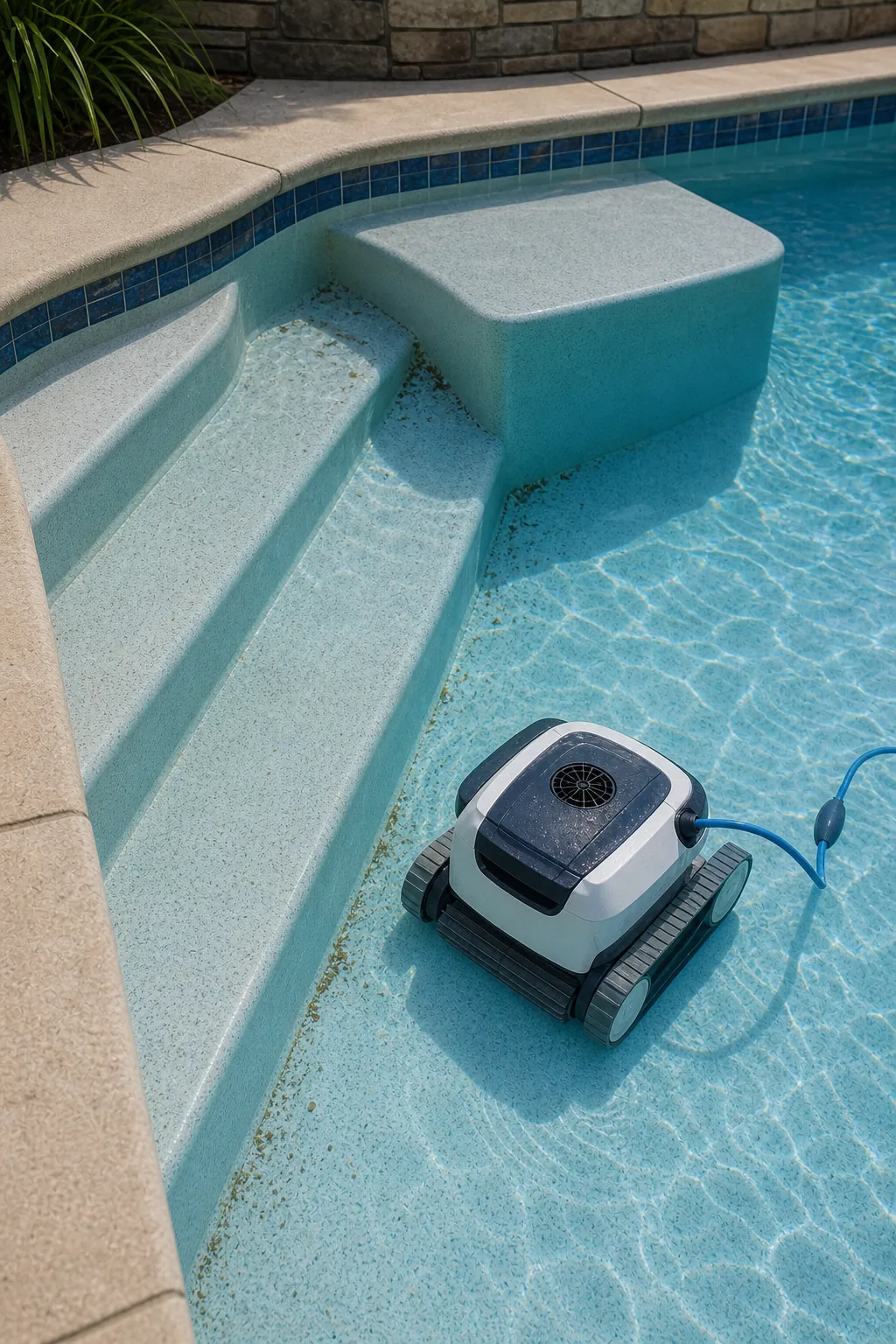
If your pool has lots of built-in features, judge the robot by how much work it removes, not whether it cleans every inch. Even a good cleaner may still leave debris on steps or ledges. If those are the places you hate cleaning most, look for real owner feedback from people with similar pool shapes before buying.
Features That Actually Affect Time Saved
The time-saving features are not always the flashy ones. A robot can have an app and still be annoying if the basket is hard to rinse or the cleaner is heavy to lift. Focus on the chores you will repeat every week.
- Top-loading basket: easier to empty than flipping a wet cleaner over.
- Fine and coarse filtration: useful when your pool gets both dust and leaves.
- Active brushing: better for film and settled dirt than suction alone.
- Wall and waterline ability: helpful if you do not brush often.
- Low lift weight: important when the cleaner is full of water and debris.
- Cord swivel or good cord behavior: reduces tangles on corded units.
- Available replacement parts: tracks, brushes, filters, and cables wear out.
- Real warranty support: matters more than a feature list when something fails.
A Simple Worth-It Test
Before buying, estimate the work the robot will replace. Count how often you manually vacuum, how long it takes, and how much you dislike the task. Then add the robot’s real routine: carry it out, drop it in, run the cycle, pull it out, rinse the basket, manage the cord or battery, and store it.
If that trade saves you meaningful time every week, the robot is probably worth considering. If the trade only saves ten minutes once a month, it may be an expensive convenience. If you already avoid cleaning because manual vacuuming is the barrier, even a modest time savings can be valuable because it changes behavior.
What a Robot Will Not Fix
A robot will not fix bad chemistry. It will not make cloudy water clear if the filter is dirty, the chlorine is low, or pH and alkalinity are out of range. It will not permanently solve pollen, dust, or algae if the source problem continues. It also will not remove the need to brush tight areas where circulation is weak.
Think of it as part of the maintenance system. The robot handles much of the physical debris on reachable surfaces. The pump, filter, sanitizer, brushing, skimming, and testing still handle the pool as a whole.
Bottom Line
A pool robot is worth it when it replaces regular manual vacuuming and makes you clean the pool more consistently. It is not worth it when the real problem is heavy surface debris, algae, poor chemistry, a tiny pool, or unrealistic expectations. Buy one for saved labor, cleaner reachable surfaces, and convenience. Keep the brush, net, and test kit close anyway.